100% FSA ELIGIBLE
|
FREE SHIPPING $50+
Key Takeaways:
Have you ever contributed to a Flexible Spending Account (FSA) and still had unused funds as the year ended? If so, you might qualify for an FSA grace period — an extra window to spend remaining money instead of losing it.
This guide explains how the grace period works, how to check whether your plan includes one, and the smartest ways to use your funds on FSA eligible items.

An FSA grace period is an optional plan extension that gives you up to 2.5 additional months to use unspent FSA funds from the previous plan year. Most commonly, the deadline falls on March 15, although reimbursement deadlines can vary by plan.
Employers have flexibility in how they structure their FSA plans, and the IRS allows them to offer either a grace period, a carryover option, or neither—but never both in the same plan year. If a plan includes a grace period, it only applies to new expenses incurred during the extended window, not to purchases made in the previous year. Employees should review their specific plan details to understand exactly how much extra time (and remaining balance) they may have to use before their funds expire.
For a more detailed comparison, see: FSA Grace Period vs. Run-Out Explained
A quick verification prevents surprises and helps you avoid losing funds. Here’s where you can check:
For more details, see: FSA Deadline Questions & Answers
Your grace period is the ideal time to get all your favorite essentials or plan ahead with FSA eligible products you know you’ll need. Looking for some inspiration? These are some of the most popular products shoppers spend their remaining funds on.
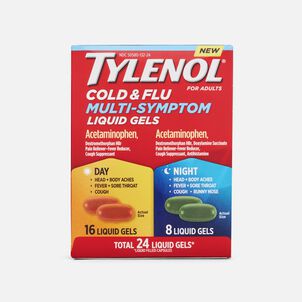
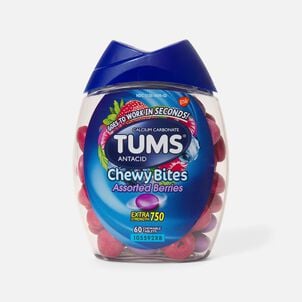
We all have those moments—heading out the door when a headache hits, settling in for the night when a cough starts, or stepping outside only to be met with a burst of allergens. OTC essentials offer simple support that helps you stay comfortable through the full, sometimes unpredictable rhythm of everyday life. Trusted picks such as Aleve Pain Relief, Claritin Allergy Tablets, and Robitussin Cough Relief make it easy to care for yourself and others without skipping a beat.
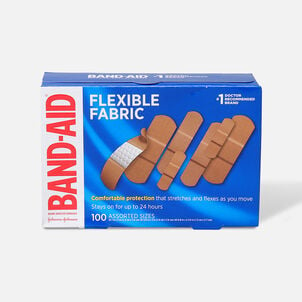
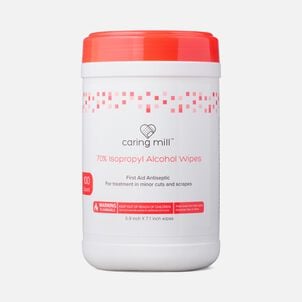
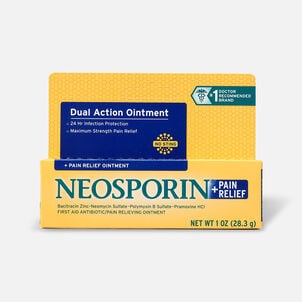
Accidents don’t wait for convenient timing, and a well-stocked first-aid kit can help you ensure that small injuries, scrapes, or unexpected situations don’t derail your day. Reliable items like Band-Aid Bandages or American Red Cross Family First Aid Kit make it easy to treat minor wounds quickly. Think bandages, antiseptic ointment, and basic supplies—all ready to go in a drawer, bag, or car.
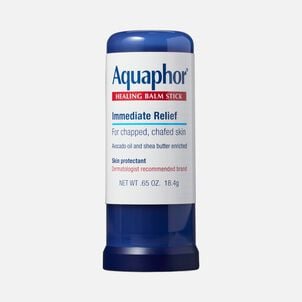
Sun exposure isn’t just for summer. Daily walks, errands, and commutes add up. That’s why many families keep sunscreen and protective lip balms on hand for year-round use. Whether you prefer a trusty SPF for everyday errands or want to be ready for sunny weekends outdoors, now’s the time to refresh. Stay protected on the go with Supergoop! Unseen Sunscreen, MDSolarSciences Lip Balms, or Banana Boat Sport Sunscreen Spray.
If your vision needs have changed or you’re coming up on a renewal, the grace-period season is perfect for updating your prescription eyewear. From eyeglasses to daily contact lenses and cleaning solutions, restocking basic supplies ensures you see clearly without delay. In fact, eyecare items such as contact lens solution and lens care kits are among the most common picks this time of year.
For parents, unpredictability is part of everyday life, and having essentials at the ready makes all the difference. Whether it’s a Braun thermometer for sudden fevers, a Frida nasal aspirator for stuffy noses, or Medela and Lansinoh breastfeeding supplies, planning ahead helps. Pediatric care items for your child’s first aid kit add even more peace of mind. Investing in baby health basics now helps keep your family ready for whatever comes next.
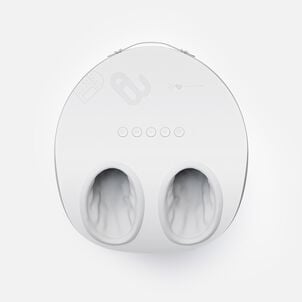
Want to keep closer tabs on your health, or give yourself tools for better recovery and relief at home? Hi-tech devices turn everyday care into easier, smarter routines: from innovative health tech and diagnostic tools to blood pressure monitors, these devices will help you stay on top of your health, recovery, and pain relief like never before. For instance, having a Sharper Image Weighted Heating Pad or Revive Ultra Massage Gun from Caring Mill™ by Aura lets you act fast when you—or a loved one—don’t feel quite right.
Life moves fast—and when soreness, minor injuries, or joint aches slow you down, having pain-relief tools on hand can help you bounce back quicker. Whether it’s Therabody RecoveryTherm Cube for post-workout recovery, Hyperice compression tools for joint support, or IMAK pain pads and braces for ongoing relief, these products give you the comfort and mobility to keep going. Getting all your essentials now ensures you’re ready when you need them most.
Learn more here: 4 Last-Minute Tips If You Have the FSA Grace Period
Use this quick end-of-year checklist to really make the most of every last FSA dollar:
Pro Tip: When you shop with your FSA card at FSA Store®, there’s no need to submit paperwork or claims—everything’s validated automatically.
Using your FSA before your grace period deadline ensures your pre-tax health dollars never go to waste. If your employer offers this extra window, it’s the perfect opportunity to get all your favorite health essentials, try some new hi-tech tools, and prepare yourself and your (eligible) family for the months ahead.
References
—
Thank you for visiting the FSA Store® Learning Center! Don’t forget to follow us for more helpful tips on Facebook, Instagram, and X (formerly Twitter).